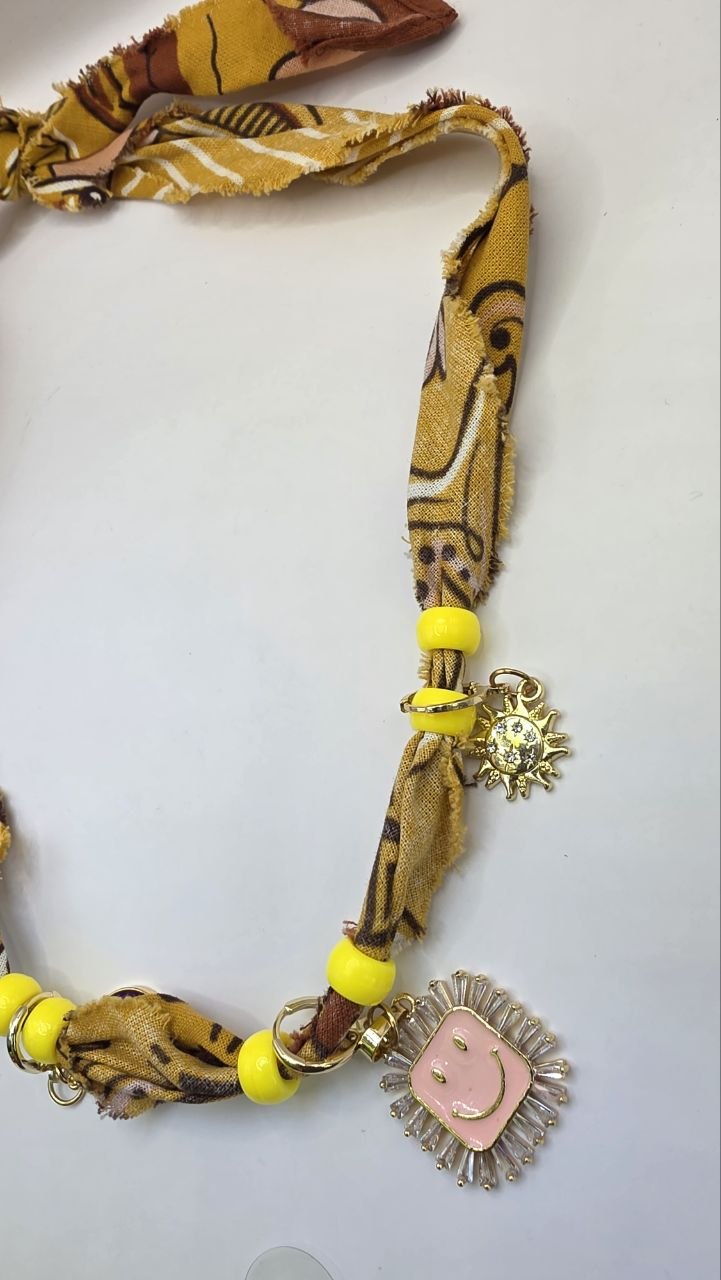
A lone beaded bracelet reads as a simple accessry. Stack it with intention, and the same wrist becomes a focal point. That shift—from quiet to deliberate—happens through layering, not volume. The pieces themselves can be small, even delicate. The impact comes from how they share space and catch light against one another. A bare wrist draws attention to what is missing. A well-layered wrist draws attention to what is there.
Start with an anchor. Usually this is the piece with the most visual weight: a charm, a flat stone, or a slightly larger bead that settles at the center of the forearm, directly above the wrist bone. Everything else arranges itself around that fixed point. Without an anchor, a stack looks accidental, like items grabbed from a dresser tray. With one, the collection reads as a single composition rather than a pile. The anchor does not need to be the largest piece. It only needs to be the one that holds the eye first.
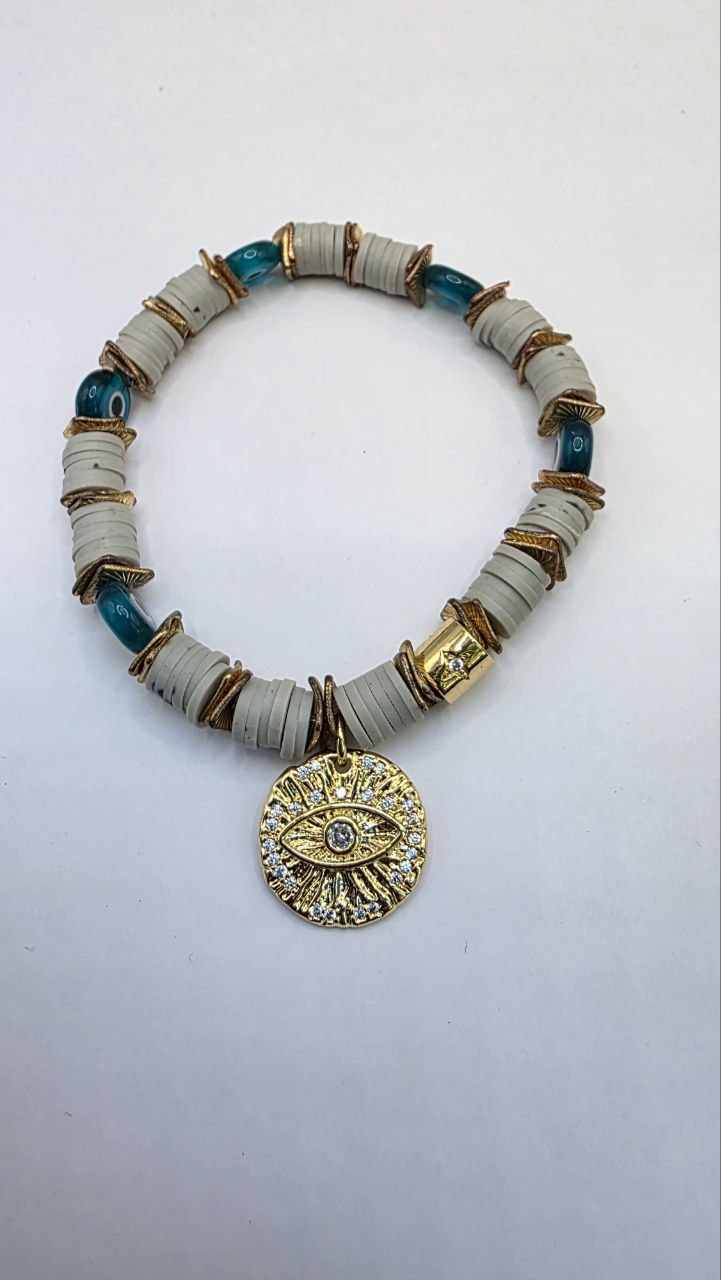
Varying texture matters more than varying color. A smooth round bead beside a ribbed cylinder beside a thin gold chain creates rhythm. Three bracelets in identical finishes flatten the eye and cancel one another out. The same rule applies to scale. Pairing a 6mm strand with an 8mm and a delicate metal band gives each piece room to register. That contrast—matte against gloss, weight against air—is where urban sheek lives. It keeps the stack from reading as a uniform band and instead lets each material speak on its own.
Color should repeat, not compete. If one bracelet carries terracotta, let another pick it up in a spacer or a single accent bead. The eye reads repetition as choice. Random scattering feels like a junk drawer. For evenings, deeper tones lean into date-night polish without looking overworked. Think olive, rust, midnight blue, or matte black. Daytime stacks stay lighter: cream, stone, soft gold, a whisper of color that moves with the arm. Repeating a single hue across different textures ties the whole look together without forcing a match.
Leave a finger’s width between each bracelet. Pieces that sit shoulder-to-shoulder lose their individual shape and can pinch the skin. A small gap lets light hit each band separately, which is what makes layering look expensive instead of crowded. The wrist needs negative space to breathe. When bracelets float slightly apart, they cast tiny shadows and create movement that reads as intentional from every angle. Too tight, and the stack becomes a cuff. Too loose, and the pieces clatter and slide. The sweet spot sits just above the wrist bone, secure but separate, where the pulse is visible but the stack does not ride up toward the elbow.
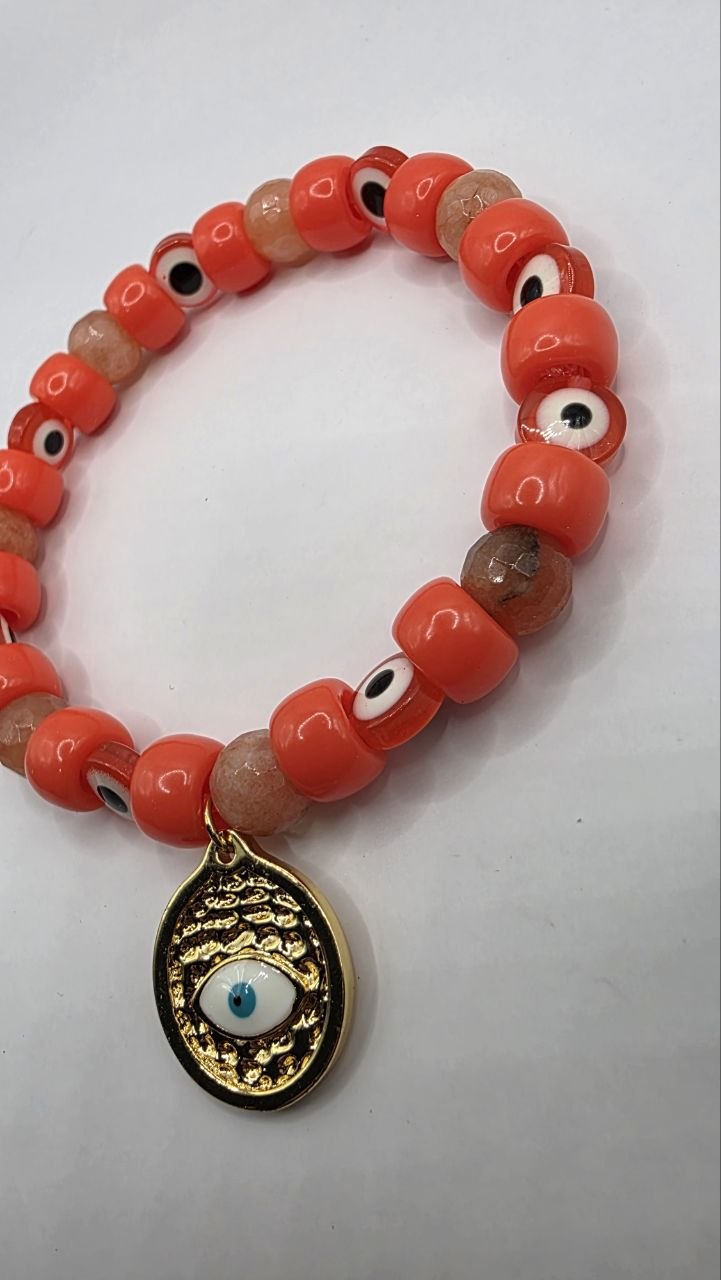
Consider the context. A two-bracelet stack suits office hours and coffee runs. Three to four work for dinner, galleries, and weekends. The same beads transition easily between settings; only the density changes. Roen designs each piece in the Atlanta studio with these proportions in mind. Bead diameters and metal tones stay consistent across the catalog so any two bracelets feel designed to meet. Nothing is cast offsite or finished in bulk. Each is soldered, set, and polished by hand, then photographed on marble in natural light. The result is a collection built to mix without guessing, whether the choice is made in morning light or in the dim glow of a restaurant.
New pieces drop weekly. Find the anchor that starts your stack, made by Roen in Atlanta.